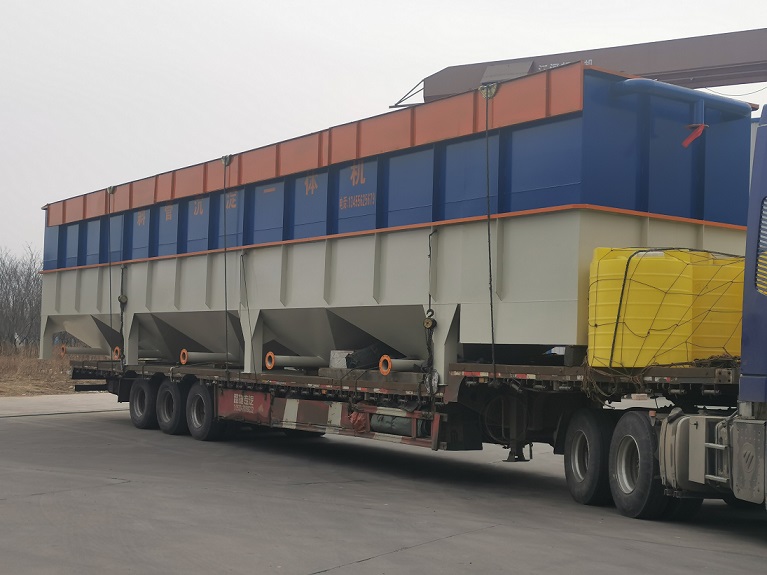
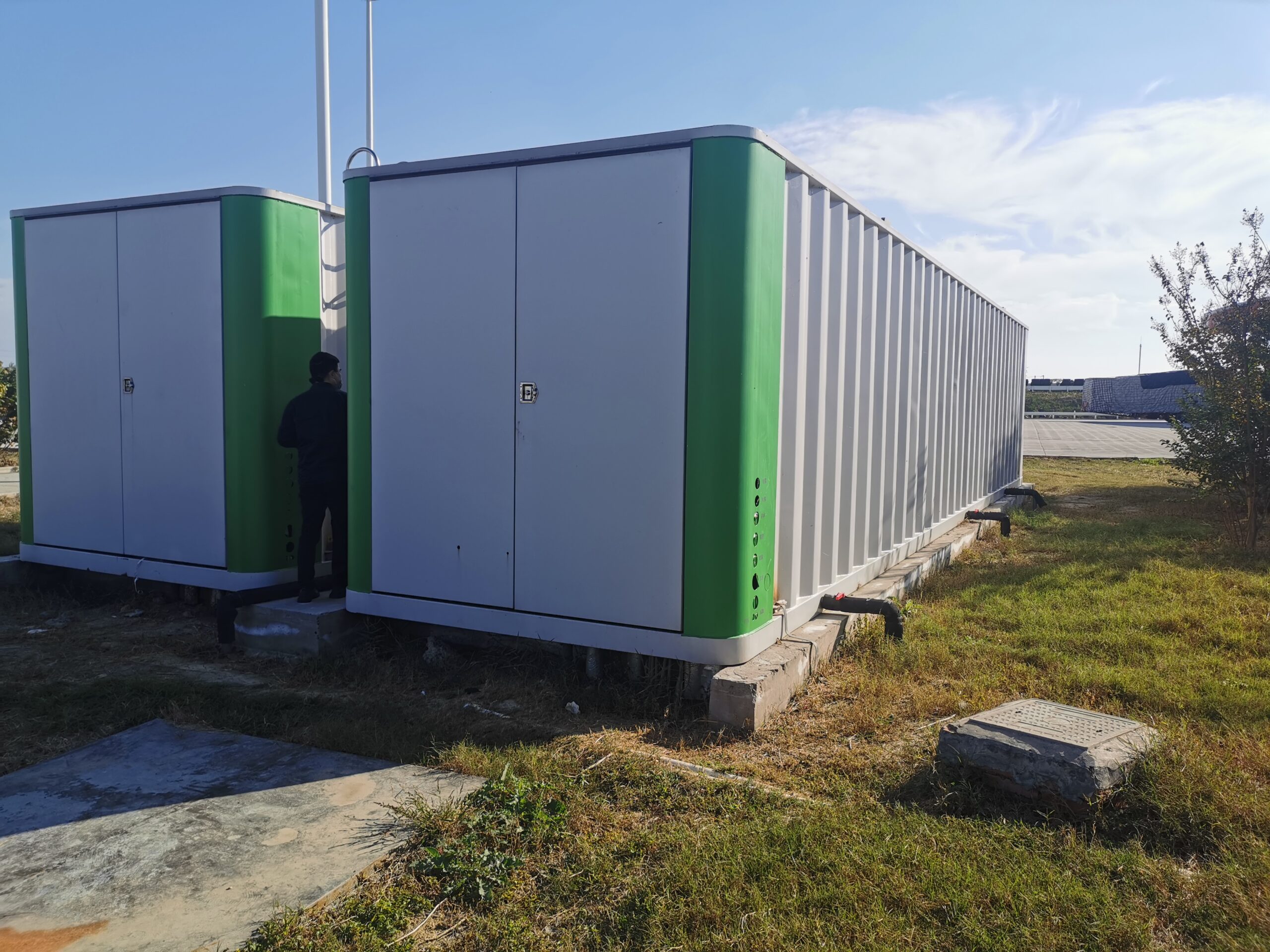
Decentralized sewage treatment system
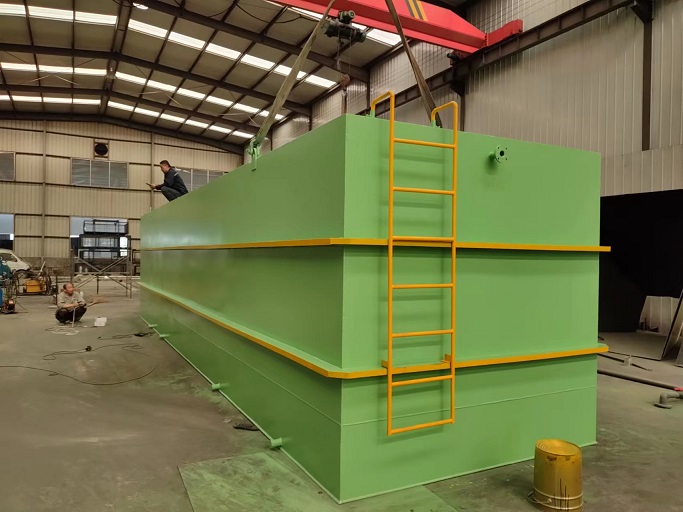
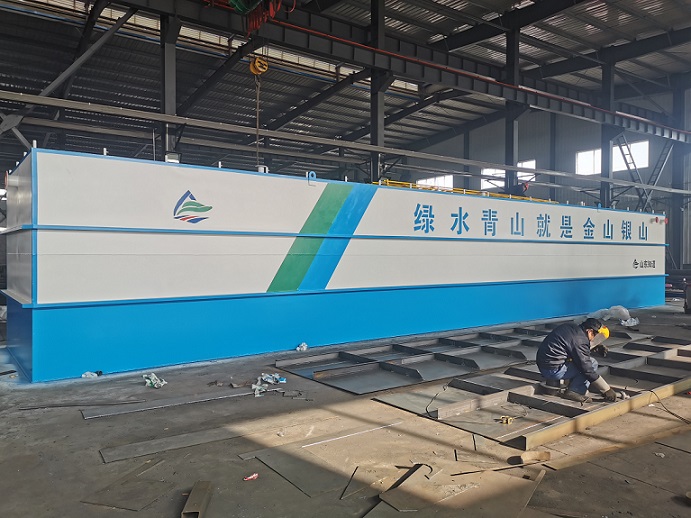
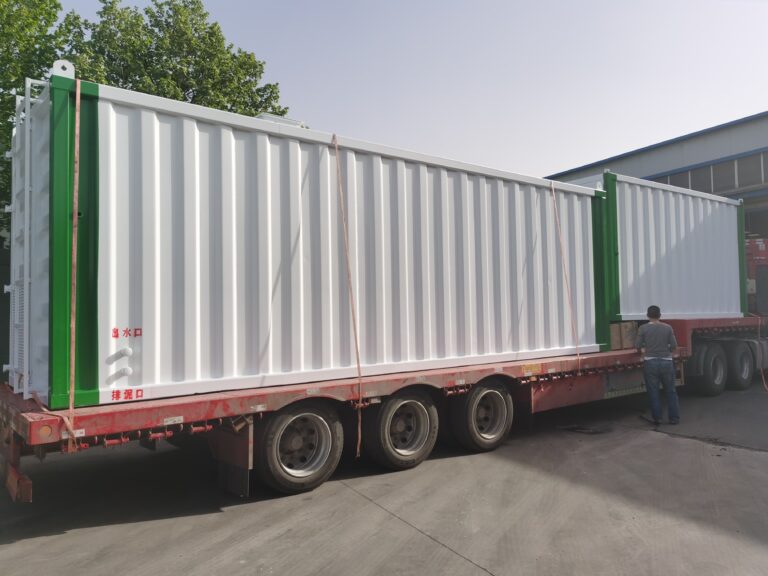
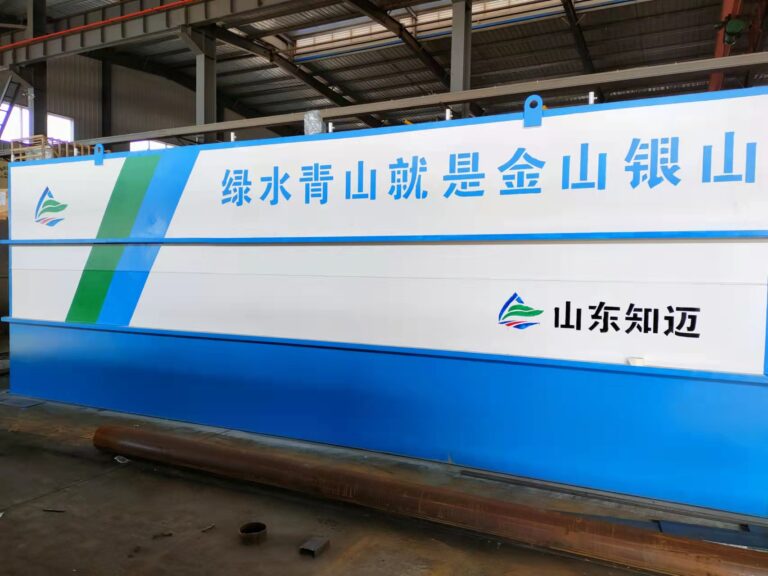
A Decentralized Sewage Treatment System (DSTS) refers to a modular wastewater management solution that operates independently near the source of sewage generation, eliminating the need for connection to centralized municipal sewage pipelines. It integrates the entire process of sewage collection, treatment, and up-to-standard discharge or reuse in a compact, self-contained unit, making it a pivotal option for addressing decentralized wastewater challenges across various industries, especially the food processing sector.
Core Characteristics
DSTS is defined by its miniaturization, modularity, and flexible deployment. Unlike centralized systems that rely on extensive pipe networks, it can be customized to match the specific wastewater volume and quality of different scenarios, offering strong adaptability to complex and scattered discharge conditions.
Key Advantages for Food Processing Industry
•
Broad Application Scope: Specifically addresses the pain points of food processing plants (e.g., prepared food, fruit and vegetable processing, slaughterhouses) such as scattered sewage discharge and difficulties in municipal pipeline access, with on-site installation available.
•
Convenient Installation: Modular design requires only 1/5 to 1/3 of the space of centralized systems. No large-scale civil engineering is needed, and the system can be put into operation within 3 to 15 days.
•
Efficient Treatment: Targets high COD, BOD, ammonia nitrogen, and animal/plant oil content in food wastewater. The effluent can meet Level 1 or Level 2 standards specified in China’s Integrated Wastewater Discharge Standard (GB8978-1996), and some processes support water reuse for greening or cleaning purposes.
•
Controllable Costs: Initial investment is 30% to 60% lower than that of centralized pipeline networks. It features low energy consumption (0.5-1.2 kWh/m³), automated operation and maintenance (no full-time staff required), and reduced long-term maintenance costs.
•
Environmental Compliance: Fulfills the wastewater treatment needs of small and medium-sized food factories and production lines, helping enterprises avoid penalties for excessive discharge.
Typical Application Scenarios
Small and medium-sized food processing plants (prepared food, fruit and vegetable crisps, aquatic product processing, slaughterhouses), scattered discharge units in food industrial parks, remote food production bases, and temporary food processing projects (e.g., exhibition or festival food preparation).
Core Treatment Processes
1.
Pretreatment: Grille + oil separator (removes suspended impurities and animal/plant oil).
2.
Main Treatment: Biological treatment (AO/MBR processes for efficient degradation of organic pollutants).
3.
Advanced Treatment: Sedimentation tank + filtration + disinfection (ensures effluent meets standards).
4.
Reuse Module (Optional): Reverse osmosis/ultrafiltration system (realizes water resource recycling).
Application Value
DSTS provides food processing enterprises with a “low-cost, high-efficiency, and easy-to-implement” wastewater treatment solution. It not only solves the problem of scattered sewage discharge and ensures environmental compliance but also reduces water resource consumption, contributing to the green production transformation of enterprises.